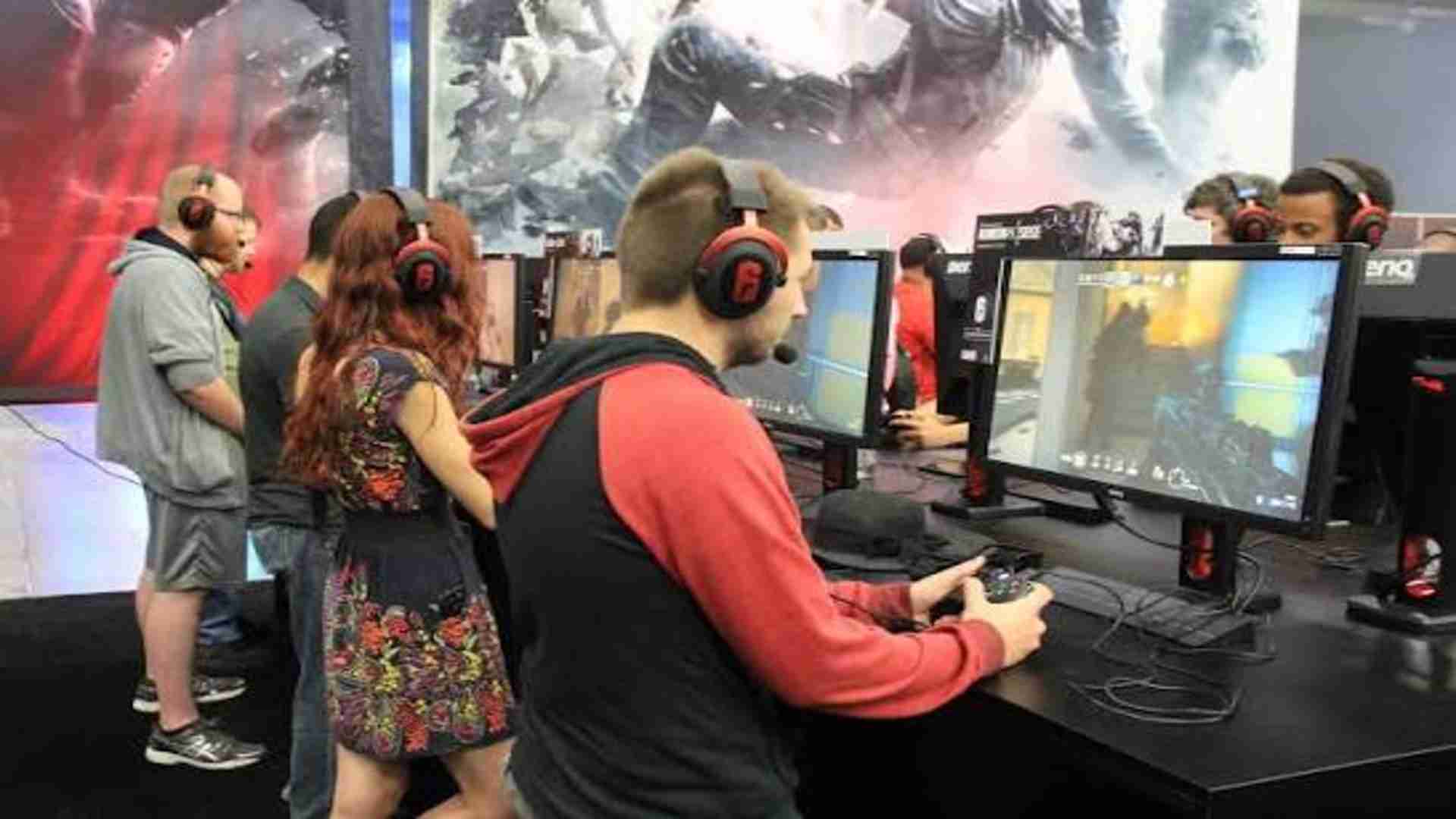
Tabletop gaming has experienced a massive shift in recent years, moving away from simple linear pathways toward systems that celebrate player freedom. When a game steps beyond predictable dice rolls, it forces participants to look at the board as an open canvas for personal expression. Examining table games that encourage creative decisions reveals how modern design stimulates critical thinking while offering deeply satisfying social experiences.
The Power of Open-Ended Game Mechanics
Traditional board setups often restrict players to a rigid set of actions, but modern designs flourish by offering multiple paths to victory. By presenting open-ended objectives, these systems allow players to craft custom solutions that the designers themselves might not have anticipated. This structural freedom transforms the gaming table from a simple tracking arena into a lively space for tactical experimentation.
When players are not bound by a single optimal strategy, they feel empowered to take calculated risks and explore unconventional paths. This shift in design philosophy ensures that every session feels entirely distinct, maximizing replayability and intellectual engagement. Ultimately, these adaptive environments challenge participants to think outside the box and refine their personal playing styles over time.
Cultivating Strategic Risk and Resourcefulness
Many of the most rewarding tabletop experiences require players to manage limited resources under highly unpredictable conditions. When faced with unexpected setbacks, participants must adapt their plans on the fly and find unique ways to utilize their remaining assets. This constant cycle of evaluation and execution teaches valuable real-world skills, particularly in terms of resource optimization and emotional resilience.
For those looking to test their tactical decision-making skills in a dynamic digital format, visiting M88.com offers access to a wide variety of engaging options. Testing different strategic approaches in a controlled environment is an excellent way to build confidence before hosting your next live game night. By mastering resource allocation, you can elevate your performance and consistently outmaneuver your competitors.
How Narrative and Co-Op Games Spark Imagination
Cooperative and narrative-driven table games offer some of the best platforms for collaborative storytelling and creative problem-solving. Instead of fighting against each other, players must pool their unique abilities together to defeat a common, system-driven opponent. This cooperative setup fosters high-level communication and encourages participants to merge their strategic perspectives into unified, highly creative plans.
In these interactive scenarios, the journey itself often becomes far more memorable than the simple win or loss condition. Players find themselves thoroughly immersed in rich, thematic worlds where every choice carries significant narrative weight. By prioritizing cooperative ingenuity over individual competition, these games create lasting bonds and unforgettable social memories.